Get a fast, conversion-focused WooCommerce theme in 2026. Switch to Shoptimizer.

Introducing CommerceGurus Turbo: Faster WooCommerce Stores

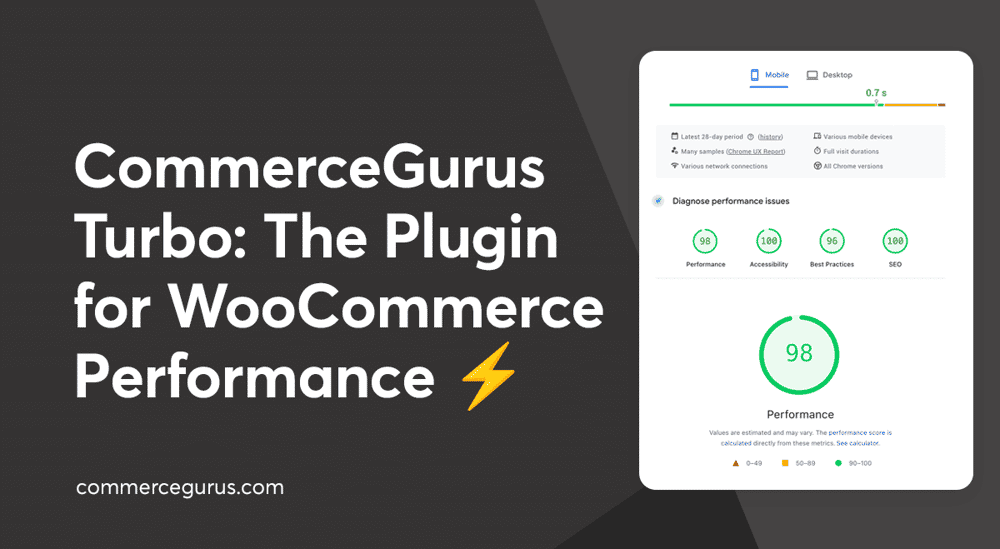
Introducing CommerceGurus Turbo

For over a decade, we’ve focused on one thing: making it easier to sell online. That focus runs through both our flagship products, Shoptimizer and CommerceKit, and it’s helped more than 60,000 store owners build faster, higher-converting WooCommerce stores.

But one problem kept coming up. Making a WooCommerce store genuinely fast meant installing and configuring a stack of separate plugins, plugins that conflict with each other when they aren’t carefully set up and, in the worst cases, break the checkout flow entirely.

Most performance plugins were built for WordPress blogs and brochure sites, with WooCommerce support tacked on as an afterthought. WooCommerce stores need a performance plugin built for how they actually work.

So we built CommerceGurus Turbo.

It’s currently in beta – stable and running on live WooCommerce stores today (including this one), with active development as we refine it based on real-world feedback.
Best WooCommerce CDN Options

Best WooCommerce CDN Options

Using a CDN with WooCommerce can speed up your store, improve the shopping experience, and ultimately help generate more sales.

A content delivery network (CDN) helps improve site speed by serving its content from servers closer to your customers, wherever they are in the world. A good CDN will also reduce pressure on your web host, improving reliability during unexpected traffic spikes and busy periods.

Using a CDN makes sense for most WooCommerce stores, but with so many options out there, which one should you choose?

To help you decide whether your store needs a CDN and, if so, which one to choose, this guide covers the best WooCommerce CDN options, what to look for when choosing, and which solution is best for different types of stores.

How to Fix Slow Third-Party Scripts in WooCommerce (Without Removing Them)

How to Fix Slow Third-Party Scripts in WooCommerce

If your WooCommerce store feels slow (or isn’t scoring as well as you’d like in PageSpeed Insights), there’s a good chance third-party scripts are part of the problem.

Most eCommerce stores rely on one or more of: pixel tracking, chat widgets, review carousels, video embeds, A/B testing, Facebook tracking, Google Analytics, and heatmaps. And there are many more examples like these! Each one of these tools adds extra JavaScript to your pages, and those scripts often run on the main thread, slowing your site’s response time to shoppers.

The good news is you don’t need to remove these tools to speed things up. In most cases, stopping non-essential JavaScript from loading until the shopper shows intent (for example, tapping, clicking, or scrolling) can solve the problem.

In this guide, we’ll walk through a practical checklist to reduce the impact of third-party scripts on your WooCommerce store without sacrificing any sales-generating features.

CLS in WooCommerce: Making it “0” (Core Web Vitals)

CLS in WooCommerce: Making it “0” (Core Web Vitals)

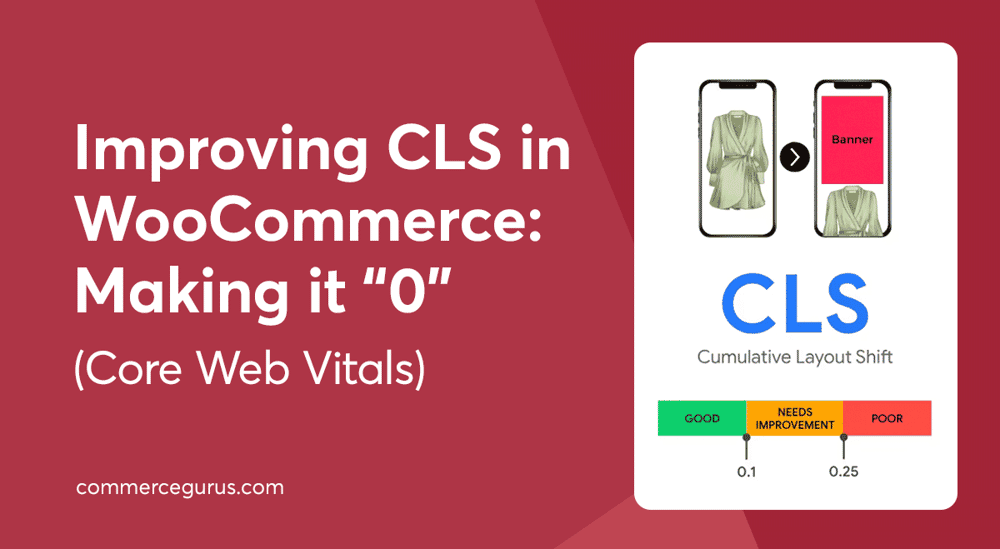
CLS, or cumulative layout shift, can be a real problem for WooCommerce stores, but thankfully, it’s something you can fix.

CLS is a measurement of how much of a page’s layout and content shifts or moves unexpectedly when it’s loading.

This sort of shifting isn’t ideal for any website, but it’s particularly serious for WooCommerce stores. A high CLS score makes stores difficult to use and feel broken or unprofessional, two factors that can significantly reduce conversion rates.

In this guide, we cover how to measure CLS, the common causes of layout shifts in WooCommerce stores, and how to fix them.

Best Order Confirmation eCommerce Examples

Best Order Confirmation eCommerce Page Examples

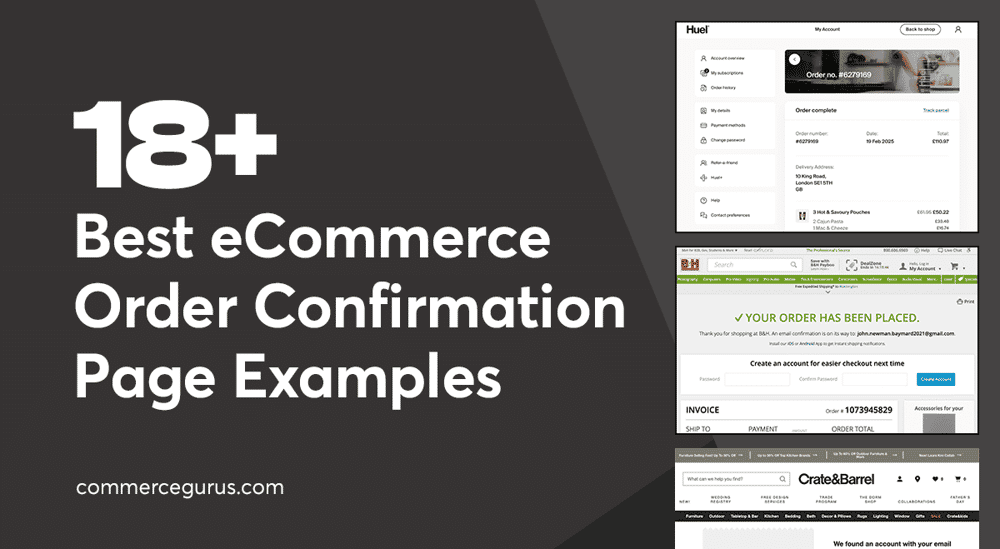
An eCommerce store’s order confirmation page is easy to overlook, but it can do far more than simply confirm a purchase. Used well, it can help you grow your email list, generate loyalty sign-ups, and encourage repeat sales.

This guide walks through the most effective features to add to your post-purchase page, along with real examples from eCommerce stores that are using this page strategically. You’ll also find WooCommerce plugin recommendations to help you optimize your own confirmation page.

10 Best eCommerce Checkout Page Designs to Learn From

10 Best eCommerce Checkout Designs

A badly designed eCommerce checkout page could be costing your online store valuable sales and profits.

One sign that you might have a badly designed checkout page is your metrics reporting that shoppers are reaching the checkout only to leave without making a purchase.

While there are many reasons why someone might abandon their cart at the checkout page, poor design is definitely one of them.

As design covers much more than just aesthetics, including user experience, trustworthiness and credibility, ease of use, load times, and accessibility, there’s a lot that can go wrong with the design of your checkout page.

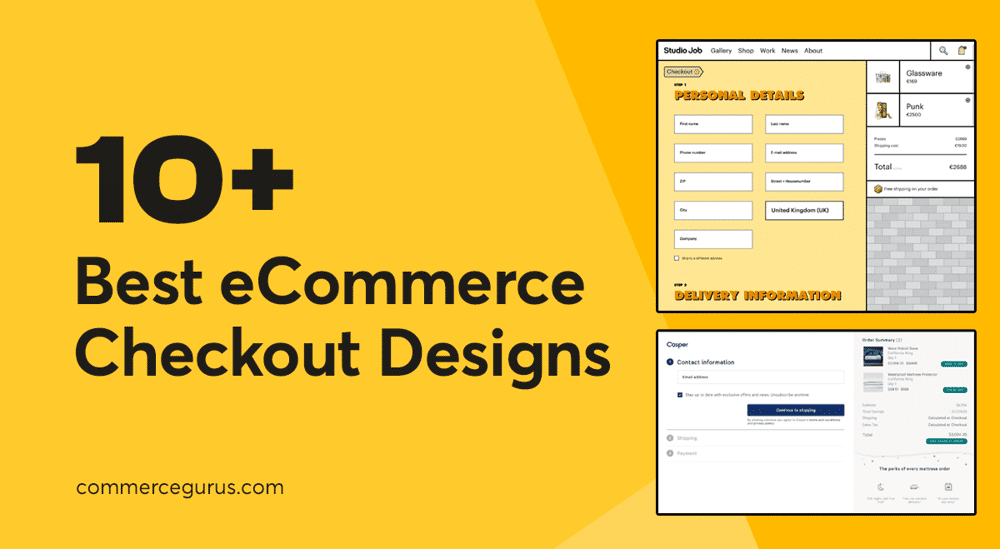
If you’re worried that this part of your store is letting down your business, this guide covering the 10 best eCommerce checkout page designs to learn from will help you determine if your checkout page could be improved, and if so, in what ways.

Success!

The discount has been applied. You will see it when you checkout.

There has been a problem

Unfortunately this discount cannot be applied to your cart.

$50
Off

Do you want a whopping $50 off Shoptimizer for WooCommerce?

Click the button below to get Shoptimizer for only $49. (Regular price: $99).
This is a special launch offer for today only.
Get it before it is gone!